

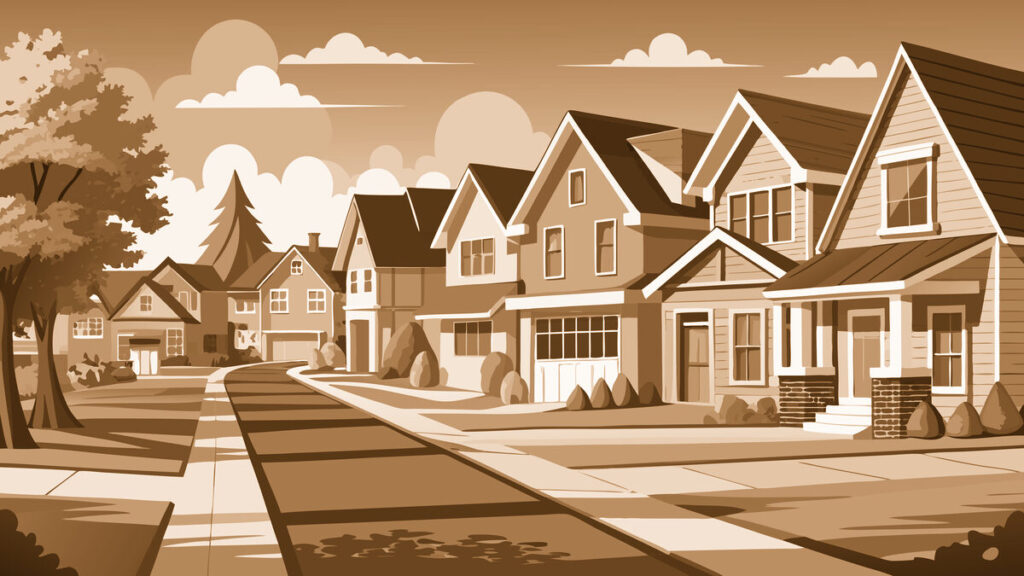
Nestled off Perkins Road and Siegen Lane, the Woodgate neighborhood stands as a serene enclave in bustling Baton Rouge, where quiet, tree-lined streets and welcoming homes hint at a storied past. For longtime residents and curious newcomers alike, Woodgate’s history is a tapestry of careful planning, community spirit, and Southern tradition that has shaped this neighborhood for decades.
The Origins of Woodgate
Woodgate’s story begins in the late 1960s and early 1970s, a period that saw rapid suburban growth as Baton Rouge expanded outward. Before this transformation, this land was a patchwork of woodlands and small pastures that defined the city’s rural periphery. Developers recognized the appeal of these tranquil acres, ideally situated near Highway 42 (Perkins Road) and what would later become the bustling Siegen Lane corridor.
The name "Woodgate" itself is a nod to the area’s sylvan roots: “Wood” for the dense tree canopy that still characterizes its streets, and “gate” suggesting an inviting entryway into a serene setting. The neighborhood was envisioned as a retreat from city hustle—where nature and neighborhoods meet.
Key Historical Milestones
The first homes broke ground in Woodgate in the early 1970s, quickly drawing families eager for suburban elegance and space to grow. By the late 1970s, Woodgate had developed into a well-planned residential community of around 300 homes, featuring traditional ranch and Acadian-style architecture.
Some notable milestones in the neighborhood’s history include:
- 1970s: Street names such as Olde Gate Road, Woodgate Drive, and Heritage Row set the tone for a classic, family-friendly atmosphere.
- 1980s: The establishment of a robust homeowners’ association, Woodgate Homeowners Association, reinforced the community’s commitment to maintaining its charm and safety.
- 1990s-Present: Ongoing enhancements, from improved lighting and signage to periodic park clean-ups and holiday décor, have kept Woodgate vibrant and attractive.
Charming Landmarks and Notable Buildings
While Woodgate lacks sprawling commercial centers or famous monuments, its landmarks hold a special place in residents’ hearts:
- Woodgate Park: Tucked along Olde Gate Road, this pocket park offers a green space where families picnic and children swing beneath the oak trees. Neighborhood events like spring egg hunts and fall festivals are often staged here.
- Community Entrances: The iconic Woodgate entry signs, bordered by low brickwork and native plantings at Woodgate Drive off Perkins Road, signal a shift from Baton Rouge’s busy thoroughfares to the neighborhood’s slow, peaceful pace.
- Vintage Homes: A stroll down Heritage Row or Woodgate Drive reveals beautiful originals with sprawling yards, mature landscaping, and evidence of loving upkeep over generations.
Nearby, the respected St. George Fire Department Station No. 62 on Siegen Lane has watched over Woodgate for years, creating a sense of security and partnership between residents and first responders.
Evolution Through the Decades
Woodgate has evolved gracefully amid Baton Rouge’s changes. In its earliest years, it was one of the most popular new subdivisions east of LSU—not too far from campus for professors or staff, yet far enough for quiet residential living. Unlike many newer developments, Woodgate has retained its original character, marked by:
- Consistent Architecture: Rather than yielding to trends, most homes display timeless appeal—think brick exteriors, shuttered windows, and welcoming porches.
- Mature Trees and Landscaping: Residents treasure the neighborhood’s old-growth pines and live oaks, evidence of careful stewardship and decades of shade.
- A Tight-Knit Community Spirit: From the very beginning, Woodgate’s annual social calendar has included block parties, garage sales, and progressive dinners, cementing friendships and fostering a neighborly spirit.
Many families have been here for generations, and it’s not unusual to see grandchildren playing on the same lawns their parents once did.
Institutions and Amenities
Woodgate’s location has always been key to its appeal. Just minutes from both I-10 and Airline Highway, it offers easy access to city amenities while remaining quietly removed. Notably:
- Top-Tier Schools: Woodgate is zoned for some of Baton Rouge’s best-known public and private schools, such as St. George Catholic School and Highland Elementary.
- Access to Shopping and Dining: Just up Siegen Lane, residents enjoy everything from local coffee shops to major retailers, all while their own streets remain free of through-traffic.
The neighborhood is also close to the sprawling Highland Road Park, which offers tennis courts, walking trails, and a public observatory—a favorite spot for local stargazing clubs and families alike.
What Makes Woodgate Special Today
Ask any resident what makes Woodgate special, and you’ll hear the same warm, nostalgic refrain:
- “It feels like home the moment you turn in off Perkins Road.”
- “We know our neighbors — and look out for one another.”
- “There’s a sense of continuity here, and people take pride in keeping it beautiful for the next generation.”
Woodgate exemplifies the best of Baton Rouge living: a caring community, natural beauty, and a sense of belonging that’s rare and cherished. The traditions started by original homeowners in the 1970s endure today, as new families add their chapter to the Woodgate story.
From its forested beginnings to its current place as a beloved Baton Rouge neighborhood, Woodgate remains a testament to thoughtful planning, resilient community bonds, and a commitment to preserving its unique heritage. Strolling its shaded sidewalks, you’ll discover not just charming homes but a living legacy—a place where past and present meet beneath the whispering trees.